
Dry Needling
Reduce symptoms. Improve movement. Move forward.
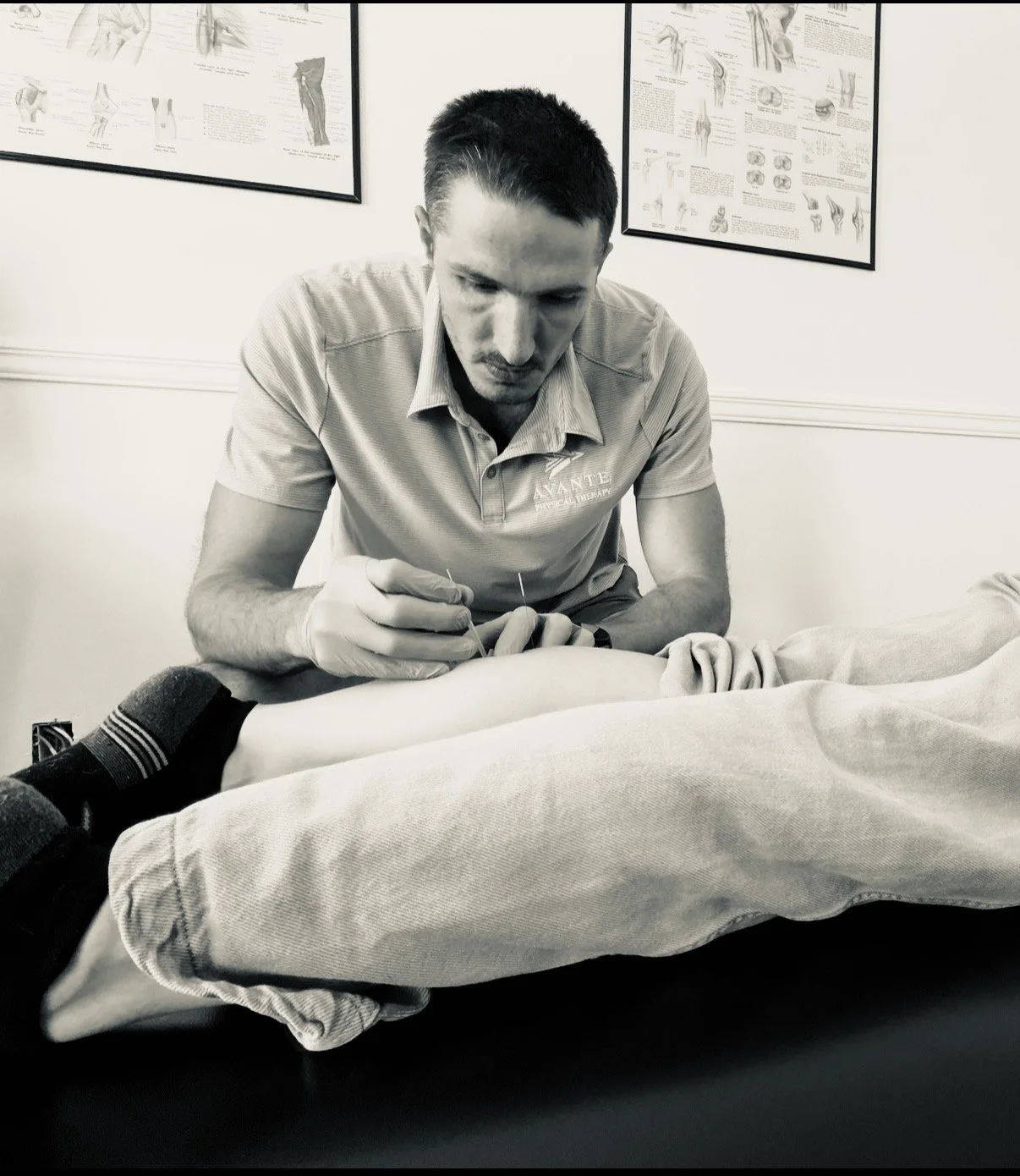
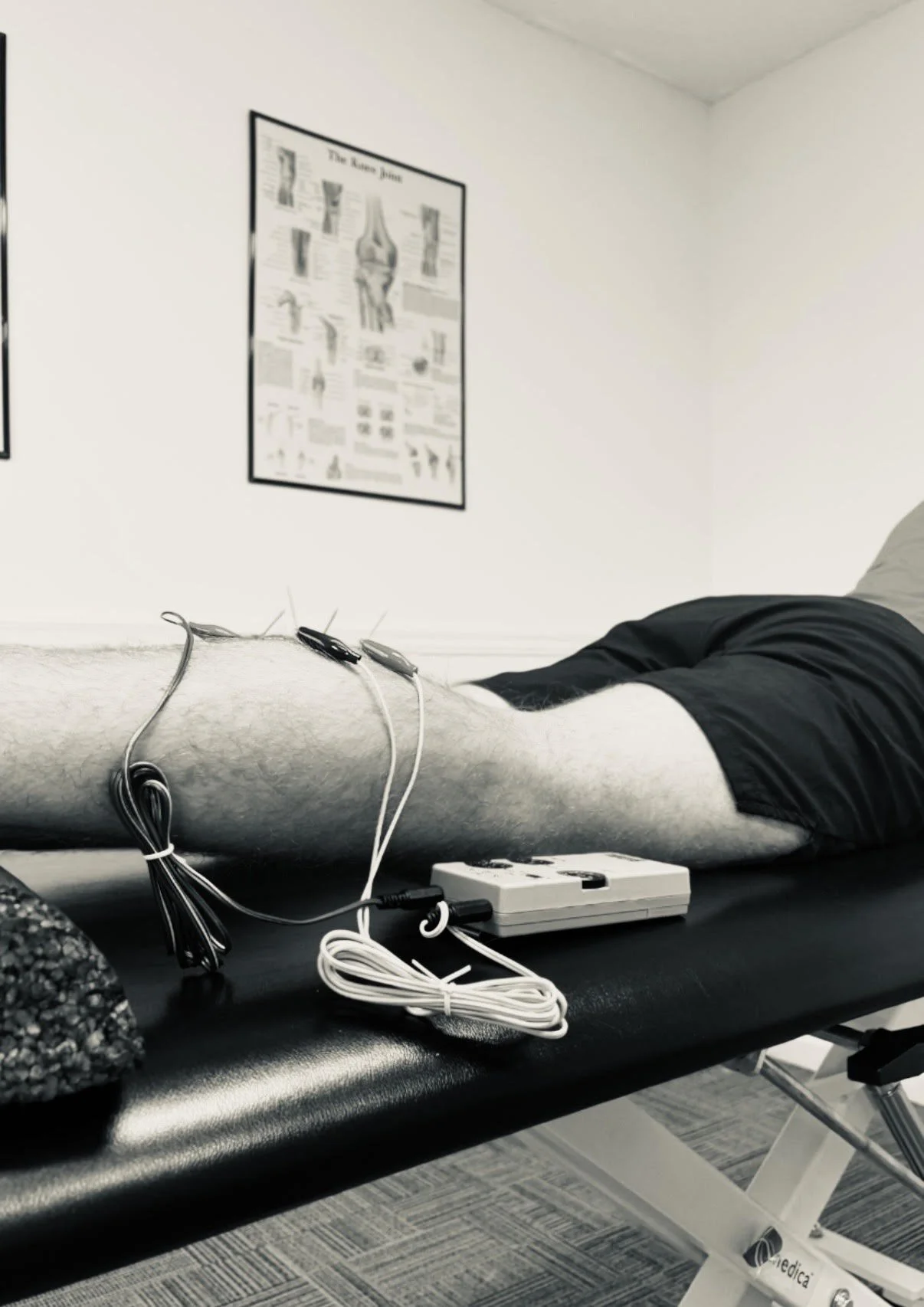
Dry needling is one of the tools we use at Avante Physical Therapy to help reduce pain, improve movement, and get you back to the activities that matter to you.
Needling is rarely, if ever, the entire solution.
At Avante, we'll take the time to understand what's going on, determine whether dry needling is appropriate for you, and help you build a clear path forward.
What Is Dry Needling?
Dry needling is a treatment technique performed by trained physical therapists using a thin, sterile needle inserted into specific muscles or tissues.
It may be used as part of treatment to help reduce pain, decrease muscle tension, and improve movement so you can more comfortably return to exercise, training, work, or everyday activity.
Unlike an injection, nothing is injected into the body.
The goal isn't simply to "loosen a knot." We use dry needling when we believe it can help create a window for you to move, exercise, and progress more effectively.
What Can Dry Needling Help With?
Dry needling may be appropriate for a variety of musculoskeletal problems, including:
Neck and shoulder pain
Low back pain
Hip and glute pain
Knee pain
Muscle strains
Calf tightness or pain
Running-related injuries
Muscle tension and trigger points
Sports-related aches and pains
Restricted or painful movement
Not every problem needs dry needling. We'll help determine whether it makes sense for your situation.
What Does Dry Needling Feel Like?
Most people tolerate dry needling very well.
The needle itself is extremely thin. You may feel a brief prick when the needle enters the skin, followed by pressure, aching, or a short muscle twitch depending on the technique and area being treated.
Some people experience temporary soreness afterward, similar to the feeling following a workout.
Before treatment, we'll explain exactly what we're doing, what you may feel, and answer any questions you have.
What Should I Expect?
Your visit starts with a conversation.
We want to understand what's bothering you, what you're trying to get back to, and whether dry needling is the right tool for the problem.
When appropriate, treatment may include dry needling alongside movement, exercise, manual therapy, education, or other interventions based on what you need.
You'll also leave with a better understanding of what to do next.